
A workers’ compensation settlement covers medical expenses and lost wages, providing essential protection for employees injured on the job. In contrast, a personal injury claim offers broader compensation, including pain and suffering, emotional distress, and other non-economic damages. Workers’ compensation settlements can directly impact personal injury claims because insurers may assert a lien on the personal injury proceeds to prevent double recovery for the same injury. In some cases, California law requires injured employees to obtain consent from their workers’ compensation insurer before finalizing a personal injury settlement.
In 2023, over 600,000 workers’ compensation claims were filed in California, according to the Department of Industrial Relations. On-the-job injuries can be life-changing, but workers’ compensation ensures that medical care, rehabilitation, and lost wages are addressed. If a third party—such as a negligent contractor or manufacturer—is responsible for your injury, filing a personal injury claim may provide additional compensation beyond what workers’ comp offers.
While these are separate legal channels, they often intersect. Pursuing both is possible, but you cannot recover twice for the same damages. Understanding how workers’ compensation settlements affect personal injury claims is crucial to protecting your rights. Settling your workers’ comp claim too early could limit future recovery, while failing to account for a potential third-party claim might leave significant damages uncompensated. This article explains the differences between workers’ compensation and personal injury claims, when both may apply, and why legal guidance is critical for California workers.
Differences Between Workers’ Compensation and Personal Injury Claims
Workers’ compensation is a no-fault system designed to provide benefits for work-related injuries, while a personal injury claim requires proving that another party’s negligence caused your injury. Both systems serve different purposes, and understanding their distinctions can help maximize your overall recovery.
Types of Damages Recoverable

Workers’ compensation covers medical bills, hospital visits, rehabilitation, and lost wages. A personal injury claim allows injured workers to pursue a wider array of damages, including:
- Pain and suffering
- Emotional distress
- Loss of enjoyment of life
- Reduced earning capacity
This difference is significant, as workers’ compensation benefits are capped by state law, whereas personal injury claims can provide more comprehensive compensation. Personal injury damages can also account for long-term impacts such as permanent disability, reduced lifestyle opportunities, and ongoing medical needs that workers’ compensation may not fully cover.
Legal Rights
Under California’s workers’ compensation exclusivity rule, employees cannot sue their employer for on-the-job injuries. Personal injury claims, however, allow legal action against third parties responsible for the injury, such as subcontractors, property owners, or manufacturers. Understanding the interplay between these legal channels ensures you do not inadvertently waive rights in one forum while pursuing the other. In addition, coordinating both claims strategically can reduce complications and ensure maximum overall recovery.
Statute of Limitations
In California, workers’ compensation claims generally must be filed within one year of the injury. Personal injury claims generally have a two-year statute of limitations from the date of the injury, although exceptions exist depending on the circumstances. Failing to act within these timeframes can jeopardize your ability to recover full compensation. Timely action is particularly important when pursuing claims against multiple parties or when the injury has long-term implications on your ability to work.
Overview of Workers’ Compensation Settlements
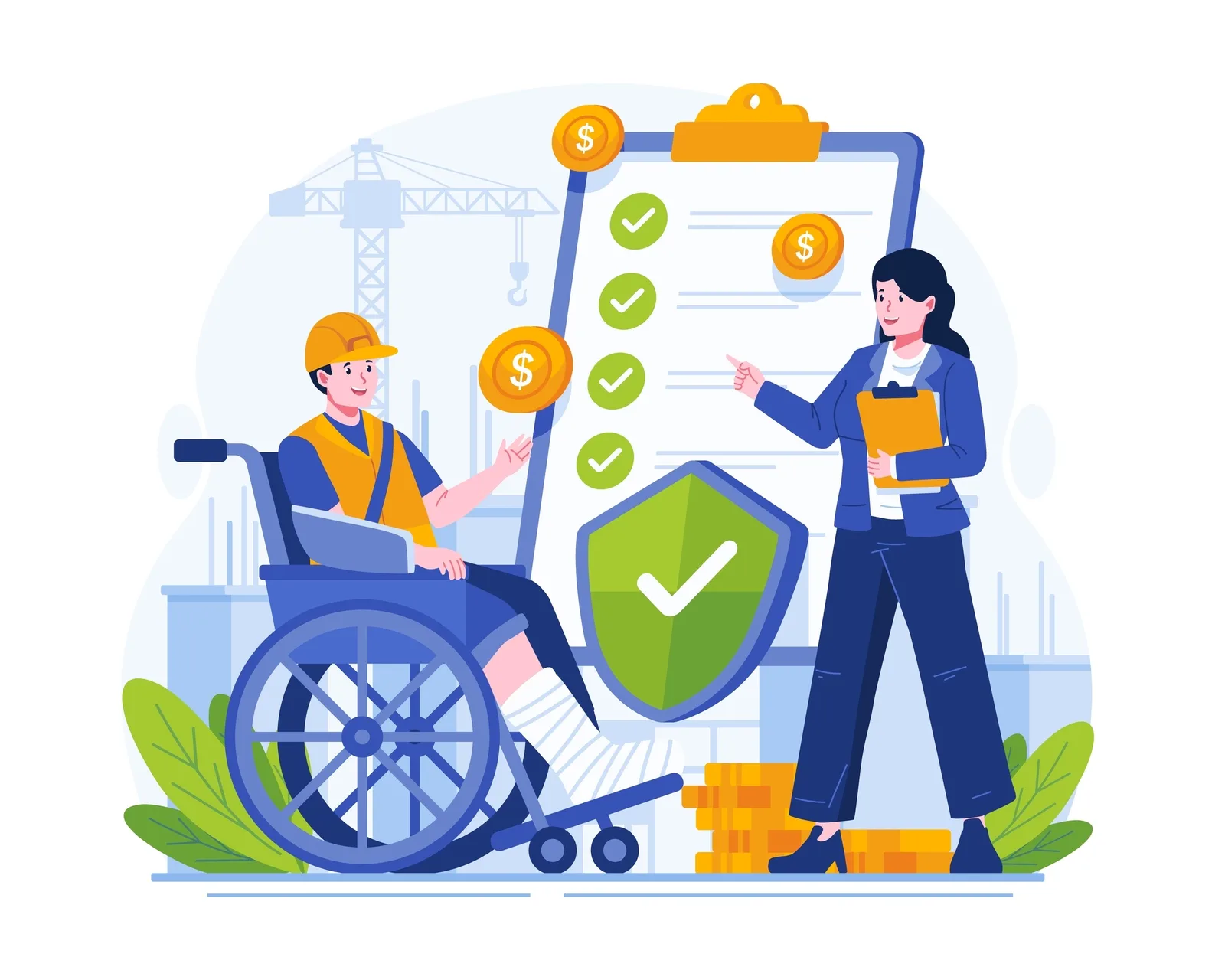
A workers’ compensation settlement is a legally binding agreement between an injured employee and their employer or insurance company. The settlement typically resolves the claim in exchange for a lump sum or structured payments, with the employee waiving future claims related to that specific workplace injury.
The value of a settlement depends on several factors:
- Severity of the injury
- Cost of past and future medical care
- Lost wages and diminished earning capacity
- Permanent disability or impairment ratings
- California state law guidelines
A well-negotiated settlement can cover medical expenses, wage loss, and a lump sum for permanent impairment. However, accepting a settlement prematurely can permanently waive your right to future benefits. It is critical to work with an attorney who can evaluate the full scope of damages before agreeing to a settlement. Legal guidance can also help ensure that the settlement accounts for ongoing or future medical care and related expenses.
How Workers’ Compensation Settlements Affect Personal Injury Claims
Sometimes, workplace injuries involve third parties whose negligence contributed to the accident. If so, you may pursue a separate personal injury claim alongside your workers’ compensation claim.
However, workers’ compensation insurers have the legal right to recover benefits paid from your personal injury settlement. This means that part of your recovery from a personal injury lawsuit may be offset by the amount already received through workers’ compensation. Proper coordination between the two claims is essential to maximize total compensation and prevent disputes with insurance companies. An experienced attorney can manage the lien process and ensure that you receive the full compensation you are legally entitled to.
Strategic Considerations for Injured Workers
Suffering a workplace injury can be stressful, both physically and financially. You may feel pressure to settle your workers’ compensation claim quickly, but doing so without considering personal injury implications can limit your total recovery.
A premature settlement may undervalue your claim or eliminate leverage in a third-party personal injury case. Legal guidance from a firm experienced in both workers’ compensation and personal injury law ensures you make informed decisions. Attorneys can help you negotiate fair workers’ compensation settlements while preserving your right to pursue additional damages from responsible third parties. Consulting early can prevent costly mistakes and ensure that you have sufficient documentation for both claims.
Common Mistakes to Avoid When Settling Your Workers’ Compensation Claim
Many injured workers make preventable errors when finalizing their workers’ compensation settlement. One common mistake is accepting the first offer without understanding the long-term financial and medical implications. Settling too quickly can result in losing benefits for future medical treatment or permanent disability.
Another mistake is failing to track all medical records and repair costs. Incomplete documentation can reduce your bargaining power in a personal injury claim. Additionally, some workers underestimate how third-party liability interacts with their settlement, which can lead to reduced personal injury compensation if handled improperly. Avoid verbal agreements with insurers, and ensure all offers are documented in writing. Consulting an attorney before signing any settlement documents is critical to protect your legal and financial interests.
Frequently Asked Questions

How Much Compensation Can You Get for a Personal Injury Case?
Compensation varies based on injury severity, medical costs, lost wages, and pain and suffering. While high-profile settlements can reach millions, most claims are more modest but still significant enough to cover ongoing expenses and losses.
What Is the Most Common Injury Claim on Workers’ Compensation?
Strains, sprains, and soft tissue injuries are most common, often resulting from lifting, overexertion, or repetitive motion. These injuries are prevalent across many professions but can still have lasting effects if not properly treated.
How Long Do Most Personal Injury Cases Take to Settle?
Simple claims with clear liability may settle within months, but complex cases involving severe injuries, multiple parties, or disputed fault can take two years or more. The final timeline depends on injury severity, treatment length, and whether the case proceeds to trial.
How Can I Find the Best Lawyer for My Workers’ Comp or Personal Injury Case?
Choosing an experienced attorney can dramatically affect the outcome. At Solov & Teitell, our attorneys have years of experience representing injured workers and accident victims. We understand how to navigate the complexities of overlapping workers’ compensation and personal injury claims, fight insurance companies, and maximize settlements. When you need skilled legal advocacy, Solov & Teitell is the firm you can trust.
Effectively Navigating Workers’ Compensation Settlements and Personal Injury Claims
Workplace injuries can happen even under the safest conditions. For many injured workers, balancing lost income, medical bills, and recovery can be overwhelming. Settling a workers’ compensation claim too early may provide short-term relief but can impact your ability to pursue additional damages for pain and suffering, long-term medical care, or diminished earning potential.
Understanding the relationship between workers’ compensation and personal injury claims is crucial. Consulting an experienced attorney ensures your settlement decisions protect your rights, preserve your claims, and maximize your compensation. Proper legal guidance allows you to focus on recovery while your attorney handles negotiations, liens, and coordination between claims.
If you have been injured at work and are unsure how to proceed, the attorneys at Solov & Teitell are here to help. We guide clients through workers’ compensation settlements, evaluate third-party claims, and fight to secure the compensation they deserve.
Contact Solov & Teitell today for a free consultation and learn how our experienced team can help you navigate workers’ compensation and personal injury claims to ensure full and fair recovery.